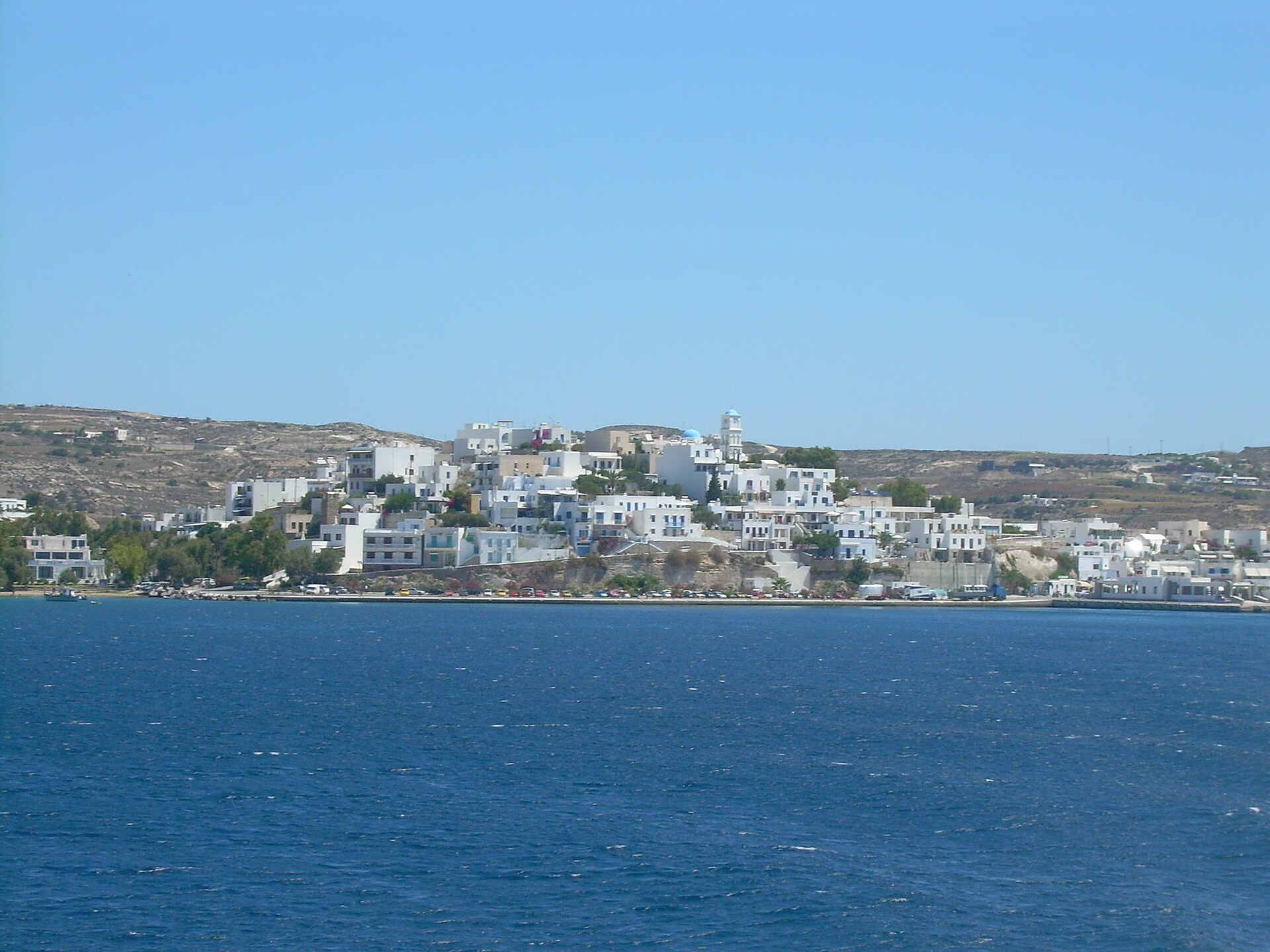
Cruise ships calling at Milos typically use Adamas as the passenger gateway. Depending on your ship and the day’s conditions, that may mean tendering rather than a alongside berth. Treat your ship’s daily programme as the authority for tender instructions, landing point and all-aboard — not a generic port map.
Adamas itself is a working harbour village: cafés, small shops, boat quays and the natural meeting place for many organised experiences. From here, the island opens in two directions that matter for cruise planning — inland and along the north coast toward Sarakiniko and Papafragas, and out onto the water toward Kleftiko and the sea caves.
The port’s character shapes the day. A private land tour of roughly four hours can cover several defining landscapes and still leave margin. A fixed-schedule catamaran of about six hours, plus check-in, asks more of your usable time in port. Ancient Milos in about three hours suits passengers who want archaeology without a full island circuit.
Whatever you choose, plan backwards from all-aboard, not from the published sailing time. Tender queues, harbour traffic and exposed volcanic stops all consume minutes that look small on a map and large on a cruise clock.
Highlights
- Adamas is the usual passenger gateway for cruise calls
- Many ships tender — confirm instructions on the day
- Land highlights and boat tours both radiate from the harbour area
- Private land formats often fit standard calls more easily than fixed sailings
- Return buffers matter more here than brochure journey times suggest
Tips
- Read your ship’s tender and all-aboard notes the night before
- Confirm excursion meeting points relative to the tender landing, not a hotel address
- Keep valuables and a light layer handy — harbour breezes and sun both arrive quickly
- Do not invent a fixed berth plan; arrangements vary by ship and day